
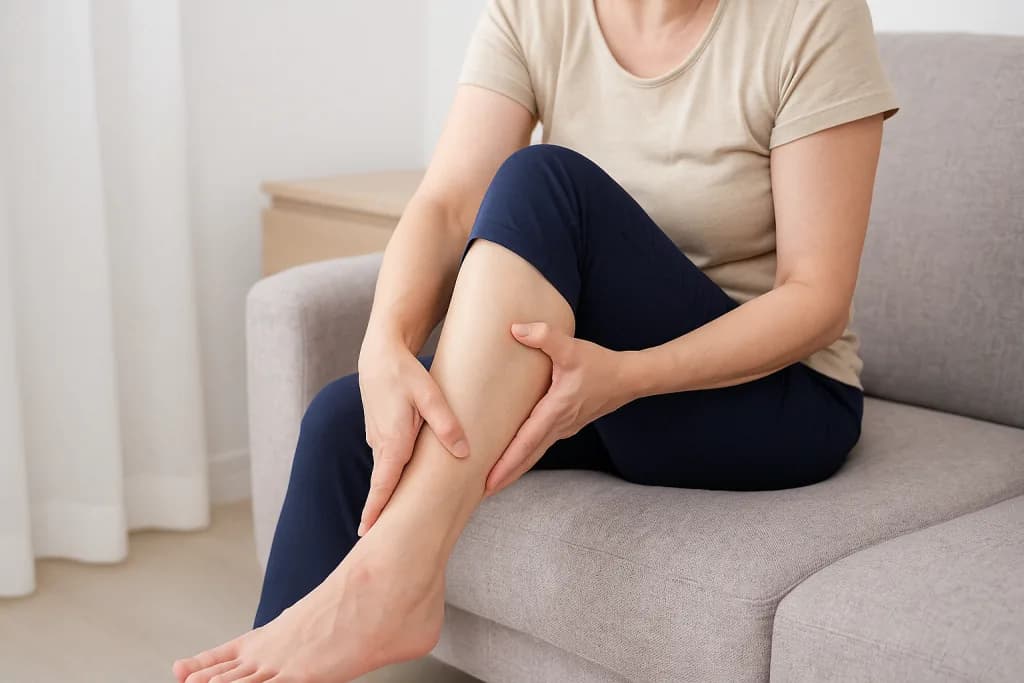
Chronic venous insufficiency (CVI) is a condition where the veins in your legs struggle to send blood back to your heart efficiently. Over time, this leads to blood pooling in the lower limbs, causing that familiar feeling of heavy, tired, aching legs that gets worse as the day goes on.
CVI is one of the most common vascular conditions worldwide, affecting an estimated 25–40% of women and 10–20% of men in Western countries. Despite its prevalence, it's often dismissed as a cosmetic issue or a normal part of aging, but left untreated, it can progress to serious complications including skin changes, ulcers, and deep vein problems.
Key Takeaways
- CVI occurs when leg vein valves weaken, causing blood to flow backward and pool in the lower legs
- It's far more than a cosmetic concern, untreated CVI can lead to skin damage, chronic swelling, and venous ulcers
- Risk factors include prolonged standing or sitting, pregnancy, obesity, family history, and prior blood clots
- Early symptoms like heavy legs, ankle swelling, and visible veins are often manageable with lifestyle changes
- Compression therapy, exercise, and elevation are first-line treatments that can significantly slow progression
- Diagnosis typically involves a painless duplex ultrasound, the earlier, the better
What Is Chronic Venous Insufficiency?
Your leg veins contain one-way valves that keep blood flowing upward toward the heart, working against gravity with every step you take. In CVI, these valves become damaged or weakened, allowing blood to leak backward, a process called venous reflux. The result is increased pressure in the veins of the lower legs, leading to a cascade of symptoms.
CVI is classified using the CEAP system (Clinical, Etiologic, Anatomic, Pathophysiologic), which ranges from C0 (no visible signs) to C6 (active venous ulcer). Understanding where you fall on this spectrum helps guide treatment decisions.
CVI vs. Varicose Veins
While varicose veins are a visible sign of venous dysfunction, CVI is the underlying condition. You can have CVI without prominent varicose veins, and not everyone with varicose veins has significant CVI. Think of varicose veins as one possible symptom of a broader circulatory issue.
What Causes CVI?
CVI develops when the venous system in the legs is under sustained stress. The most common causes and risk factors include:
- Valve damage from prior blood clots: A history of deep vein thrombosis (DVT) is one of the strongest risk factors, as clots can permanently damage vein valves
- Prolonged standing or sitting: Jobs that keep you on your feet (retail, nursing, hospitality) or seated for hours (office work, driving) place constant pressure on leg veins
- Family history: Vein valve weakness has a significant genetic component, if your parents had venous problems, your risk is higher
- Pregnancy: Hormonal changes and increased blood volume put extra strain on the venous system, which is why CVI is more common in women
- Obesity: Excess weight increases venous pressure in the legs
- Age: Vein walls and valves naturally weaken over time, with risk increasing notably after age 50
- Sedentary lifestyle: Without regular activation of the calf muscle pump, blood return from the legs slows
Recognizing the Symptoms
CVI symptoms tend to worsen throughout the day and improve with rest or elevation. They may also be more pronounced in warm weather or during hormonal changes.
Early Signs (CEAP C1–C2)
- Heavy, tired, or aching legs, especially after prolonged standing
- Ankle swelling that improves overnight
- Spider veins (telangiectasias) or visible varicose veins
- Itching or tingling along the veins
- Restless legs at night
Progressive Symptoms (CEAP C3–C4)
- Persistent swelling (edema) that doesn't fully resolve with rest
- Skin changes around the ankles: darkening (hyperpigmentation), hardening (lipodermatosclerosis), or eczema-like irritation
- A feeling of tightness or "bursting" in the calves
Advanced CVI (CEAP C5–C6)
- Healed or active venous ulcers, typically near the inner ankle
- Chronic skin breakdown that's slow to heal
- Significant daily impact on mobility and quality of life
If you're noticing any of these symptoms, don't wait. Early intervention makes a real difference.
How Is CVI Diagnosed?
The gold standard for CVI diagnosis is a duplex ultrasound, a painless, non-invasive scan that lets your doctor see both the structure of your veins and the direction of blood flow in real time. This identifies exactly which valves aren't working properly and whether there are any blood clots.
Your doctor may also:
- Examine your legs while you're standing (when symptoms are most visible)
- Ask about your medical history, family history, and daily habits
- Measure ankle pressure in some cases to rule out arterial disease
Treatment Options
CVI treatment follows a stepwise approach, starting with conservative measures and progressing to interventional options when needed.
Lifestyle & Self-Care
These are the foundation of CVI management at every stage:
- Move regularly: Walking, swimming, cycling, and calf raises activate the muscle pump that helps push blood upward. Even short movement breaks during long periods of sitting make a difference
- Elevate your legs: When resting, raise your legs above heart level for 15–20 minutes several times a day
- Maintain a healthy weight: Reducing excess weight lowers venous pressure significantly
- Avoid prolonged static positions: If you stand or sit for work, take breaks to walk or do calf pumps every 30–60 minutes
- Stay hydrated and eat well: A diet rich in fiber and flavonoids supports vascular health
Compression Therapy
Medical-grade compression stockings are a cornerstone of CVI treatment. They apply graduated pressure, strongest at the ankle, decreasing upward, to support blood return and reduce swelling. Your doctor will prescribe the right compression class (typically Class II for CVI) and ensure proper fit.
Medical & Surgical Interventions
When conservative measures aren't enough:
- Sclerotherapy: Injection of a solution that closes off damaged veins
- Endovenous ablation: Laser or radiofrequency energy seals the vein from inside, minimally invasive, typically outpatient
- Vein stripping: Surgical removal of severely damaged veins (less common with modern techniques)
- Wound care: For venous ulcers, specialized dressings and compression bandaging under medical supervision
Living with CVI
CVI is a chronic condition, it doesn't go away, but it can be managed effectively. Many people with CVI live full, active lives by building a few key habits into their routine:
- Wear compression stockings consistently during the day
- Incorporate daily leg exercises, even 10 minutes of calf pumps, ankle circles, and walking helps
- Monitor your legs for changes in skin color, texture, or new swelling
- Keep follow-up appointments with your vascular specialist
The psychological impact of CVI is real too. Visible veins, chronic discomfort, and the need for daily compression can affect body image and motivation. You're not alone in this, and managing the condition proactively is the most empowering thing you can do.
When to See a Doctor
Seek medical advice if you experience:
- Persistent leg swelling that doesn't improve overnight
- Skin changes around the ankles (darkening, hardening, open sores)
- Sudden worsening of symptoms in one leg (could indicate a blood clot)
- Leg pain that limits your daily activities
- Any open wound on your lower leg that isn't healing
Early diagnosis means more treatment options and better outcomes. Don't wait for complications.
How LEVANA Can Help
Take the free LEVANA Leg Check™ to get a structured assessment of your leg symptoms, no diagnosis, just guidance. Based on your answers, we'll help you understand your next steps and connect you with the right resources.
LEVANA supports you with structured knowledge, guided exercises, and tools to track your symptoms over time, so you feel informed, not overwhelmed.
Related Articles
- Early Signs of Chronic Venous Insufficiency, How to recognize CVI symptoms early and take preventive action.
- Heavy Legs: Common Causes & How to Find Relief, The most common everyday causes of heavy legs and what you can do about them.
- Treating Venous Diseases and Lymphedema, Practical self-help tips for managing venous conditions in daily life.
Related Conditions
This article is for informational purposes only and does not constitute medical advice. Always consult a qualified healthcare professional for diagnosis and treatment of venous conditions.
Take the next step in the app
Start with the free Leg Check for a structured overview, or register to follow a guided programme.