How Your Veins Work, and How to Keep Them Healthy
Understand how vein valves and the muscle pump move blood against gravity, spot common vein problems early, and learn simple prevention tips.
On this page
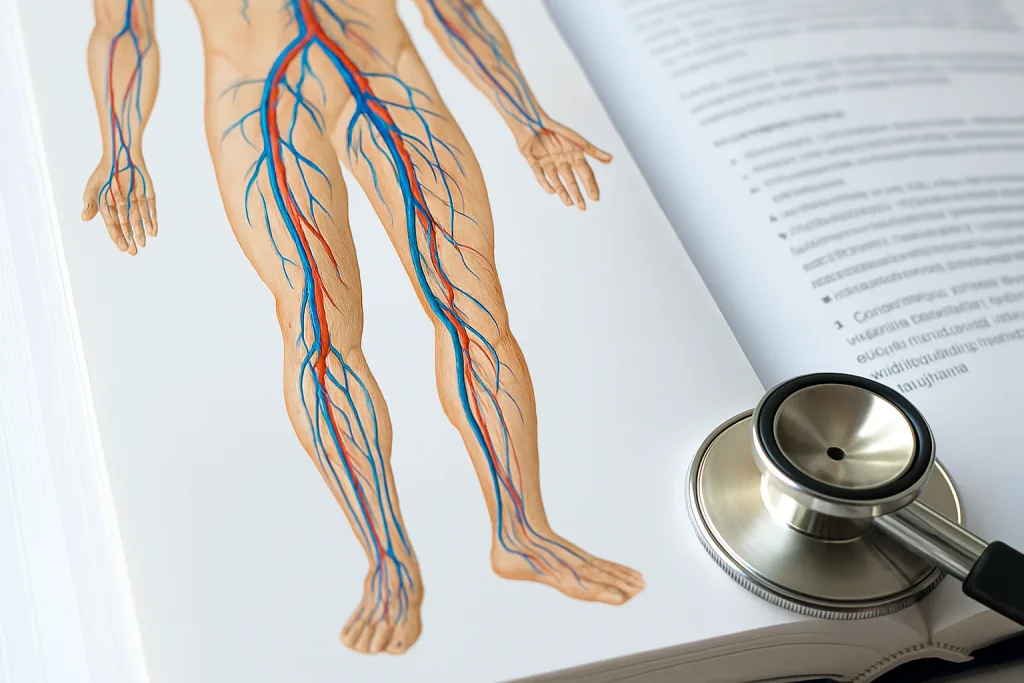
Beneath your skin lies a fascinating network of blood vessels performing extraordinary feats every single day. While arteries often get the spotlight, the function and health of your veins is equally critical to your well-being. Veins transport oxygen-depleted blood back to the heart, against gravity. But how exactly does this system work? And how can you recognize the first warning signs of vein problems?
Key Takeaways
- Veins return deoxygenated blood to the heart, working against gravity with the help of vein valves and the calf muscle pump.
- Deep veins carry most blood volume; superficial veins are more prone to conditions like varicose veins.
- Common vein problems, spider veins, varicose veins, chronic venous insufficiency, often start silently and progress if ignored.
- Modern diagnosis uses non-invasive duplex ultrasound to assess vein valve function and blood flow direction.
- Prevention is surprisingly simple: regular movement, leg elevation, cold showers, compression stockings, and the right nutrition.
The Role of Veins in Your Circulatory System
The cardiovascular system consists of arteries, veins, and capillaries. While arteries carry blood away from the heart, veins bring it back. In doing so, they play a crucial role in transporting CO₂-rich blood and metabolic waste products.
Deep and Superficial Veins
- Deep veins run within the muscles and carry the majority of blood volume.
- Superficial veins run closer to the skin surface and are more commonly affected by varicose veins.
How Vein Valves Work
Vein valves act as one-way gates, ensuring blood flows in only one direction, toward the heart. This is especially important in the legs, where they prevent blood from flowing backward under the force of gravity.
The Muscle Pump
When you move, your leg muscles squeeze the veins and push blood upward. This so-called muscle pump is essential for circulation while standing and walking, and it's the reason movement is so important for vein health.
Common Vein Problems
Vein problems typically affect the superficial veins and develop due to pressure, inactivity, or connective tissue weakness.
Varicose Veins
Varicose veins are enlarged, twisted veins that form when vein valves no longer close properly. Symptoms can include pain, swelling, and a feeling of heaviness in the legs. Learn how to prevent varicose veins.
Spider Veins
Spider veins are fine, superficial veins that shimmer reddish or bluish through the skin. They're considered an early sign of venous weakness but are usually harmless on their own. Read more: Spider veins vs. varicose veins, what's the difference?
Chronic Venous Insufficiency (CVI)
CVI is a persistent weakness of the veins where blood return is impaired. Possible consequences include swelling, skin discoloration, and eventually venous leg ulcers (ulcus cruris).
Tip: Act early. Take initial signs seriously and have them evaluated by a doctor.
Diagnosing Vein Conditions
Modern, non-invasive methods are available for detecting vein disease.
Ultrasound
Duplex sonography visualizes blood flow in color, making it possible to identify defective vein valves or reversed flow patterns.
Additional Methods
- Phlebography: Once common, now rarely needed.
- Venous refill testing: Available in pharmacies, measures the reactivity of the veins.
These diagnostic tools help assess the function and health of your veins with precision.
Preventing Vein Problems
With simple everyday measures, you can actively support your vein health.
Elevate Your Legs
After long periods of sitting or standing, elevating your legs reduces pressure on the veins and supports blood return.
Cold Showers
Cold water causes veins to constrict, stimulating circulation and strengthening vessel walls over time.
Compression Stockings
Ideal for long journeys or standing-intensive work. Different compression classes are available, individualized advice is recommended. See also: Compression stockings in summer, tips and tricks
Movement
Regular activity, especially walking, cycling, and swimming, is vital for the muscle pump and overall circulation. Explore our vein exercise guide for summer.
Horse Chestnut Extract
This herbal remedy can strengthen vein walls and help prevent swelling. Available as creams or tablets. For more plant-based options, see our post on rutin and sweet clover for vein health.
Nutrition
The right diet also plays an important role in vein health. Discover which foods strengthen your veins.
The Bottom Line
Your veins deserve more attention than they usually get. With the right knowledge and early prevention, you can significantly reduce your risk of varicose veins, venous insufficiency, or chronic swelling. Even small measures, movement, cold showers, compression, can have a big impact. If you notice symptoms or visible changes, a medical evaluation is the smart next step.
Your Next Step
Heavy, tired, or swollen legs? Take the free LEVANA Leg Check™ to get a structured assessment of your symptoms, no diagnosis, no cost. It's the first step toward lighter legs.
This article is for informational purposes only and does not replace medical advice.
Carefully researched by the LEVANA editorial team, supported by our advisory board for movement, nutrition and leg wellness. Meet the advisory board.